


Balancing Cholesterol: Myths and Facts You Need to Know
We often hear about cholesterol like it’s the villain… but the truth is, cholesterol is essential for life
Here’s what your body uses cholesterol for:
✨ Hormone production
Cholesterol is the building block for oestrogen, progesterone, testosterone, cortisol and vitamin D.
If cholesterol gets too low, hormone balance can become disrupted — leading to fatigue, mood changes, low libido, irregular cycles, anxiety and more.
✨ Healthy brain + nervous system
About 25% of your cholesterol is in your brain.
It’s crucial for memory, learning, mood stability and overall cognitive function.
✨ Cell repair + structure
Every cell membrane in your body uses cholesterol for strength and flexibility.
Without enough, cells can’t repair properly.
✨ Digestive function
Your liver uses cholesterol to make bile acids — essential for digesting fats and absorbing fat-soluble vitamins A, D, E and K.
✨ Immune support
Cholesterol plays a role in how your body responds to inflammation and infection. Some studies show very low cholesterol is linked with poorer immune health.
🔸 So what happens when cholesterol is driven too low?
Aggressively lowering cholesterol (whether through medication or overly restrictive diets) can sometimes lead to:
• hormone imbalances
• fatigue and weakness
• poor stress tolerance
• mood changes or anxiety
• brain fog or memory issues
• low vitamin D
• reduced absorption of essential nutrients
Your body thrives in balance — not extremes.
🔸 What about high cholesterol?
There are times when cholesterol runs too high due to inflammation, poor liver function, metabolic issues, genetics or nutrient deficiencies.
The good news?
There are natural, evidence-based ways to support healthy cholesterol levels without pushing them dangerously low, such as:
• berberine
• red yeast rice (when appropriate and monitored)
• plant sterols
• bergamot extract
• omega-3 fatty acids
• soluble fibre (psyllium husk, oats, legumes, ground flax)
• supporting liver detoxification pathways
• balancing blood sugar + insulin
• anti-inflammatory herbs and diet
These can be incredibly effective when tailored to what’s actually causing the elevated cholesterol.
🔸 Your cholesterol levels tell a story
Instead of aiming for “as low as possible,” it’s far more helpful to understand:
• Why are they high?
• Is there inflammation?
• Is it blood sugar related?
• Is your liver stressed?
• Are you deficient in key nutrients?
• What is your HDL, LDL and triglyceride pattern?
• Is it actually harmful, or a protective response?
Your body doesn’t make mistakes — it makes adaptations.
If you’re confused about your cholesterol results or want a natural approach to optimising them safely, my Optimal Blood Health Review is a great place to start.

Why Your Blood Tests Say ‘Normal’ But You’re Not
Have you ever been told “your blood tests are fine” — but deep down you know something still isn’t right?
This is one of the most common frustrations I hear from clients. They feel exhausted, bloated, moody, or plagued by nagging symptoms… yet their blood test results come back “normal.”
The truth is: normal isn’t always optimal. Think about it this way: the majority of people getting blood tests are those who aren’t feeling their best. The range of “normal” on regular blood tests is based on people not in ideal or optimal health. The ranges I’m looking at are optimal ranges, where people in good health would be.
My own blood test health journey
For the last couple of years, I dealt with symptoms that didn’t make sense. Because I always like to try things out myself, I was my first test case.
- Hives that would flare on and off. These did improve with herbs and dietary changes, but didn’t clear completely.
- Palpitations that left me anxious. I thought they were to do with low iron, but there was another cause.
- Changes in my hair health.
- Constant hunger and food cravings, even though I was eating well and following Metabolic Balance.
Every time I had routine blood work, I was told that everything looked “within range.” The only issue was low vitamin D, which is pretty common.
But when I finally saw my results through functional and naturopathic ranges, I finally saw what was really going on.
By addressing the hidden imbalances, and fine-tuning my diet and supplements, my hives disappeared, my heart settled, my hair began to improve, and those cravings faded, all within a few short weeks!
It was a game-changer — and it’s exactly why I now offer this deeper level of interpretation for my clients.
What I’ve seen in clients blood tests
Since introducing my Optimal Blood Health Review, every single client so far has revealed hidden causes in their results.
Sometimes it’s:
- Suboptimal iron or B12 that explains fatigue, low mood, and low immunity.
- Early thyroid imbalances linked to weight changes, hair thinning, anxiety or low mood.
- Nutrient deficiencies (like zinc or vitamin D) contributing to skin issues, fertility challenges, or poor immunity.
- Blood sugar shifts or nutrient deficiencies can cause constant hunger or cravings.
- Low cholesterol and triglycerides which are affecting hormones and fertility
These are things that often don’t show up as “abnormal” in standard lab ranges, but they still make a big impact on how you feel.
Why this matters
When we look at blood tests through a wider lens, we can:
- Catch problems early before they develop into bigger issues.
- Personalise your care instead of relying on one-size-fits-all advice.
- Connect the dots between your symptoms and what’s happening in your body.
- Give you clarity so you can finally understand what your results mean.
The next step
If you’ve been told “everything looks fine” but you know something isn’t right, I’d love to help.
My Optimal Blood Health Review is designed to uncover the root causes hidden in your blood tests — and guide you with practical, naturopathic steps to restore balance.
👉 If you’re a current client, get in touch to get more information about which bloods tests you need and then you can organise a follow-up appointment to go through results once they are back.
👉If you’re a new client the best action is to book a Naturopathic-First Visit and we can discuss the best direction to take with getting bloods done, and decide which blood tests are a priority.
Read more about how this review can help you reach optimal health
The Truth About Parasite Cleanses and Gut Health
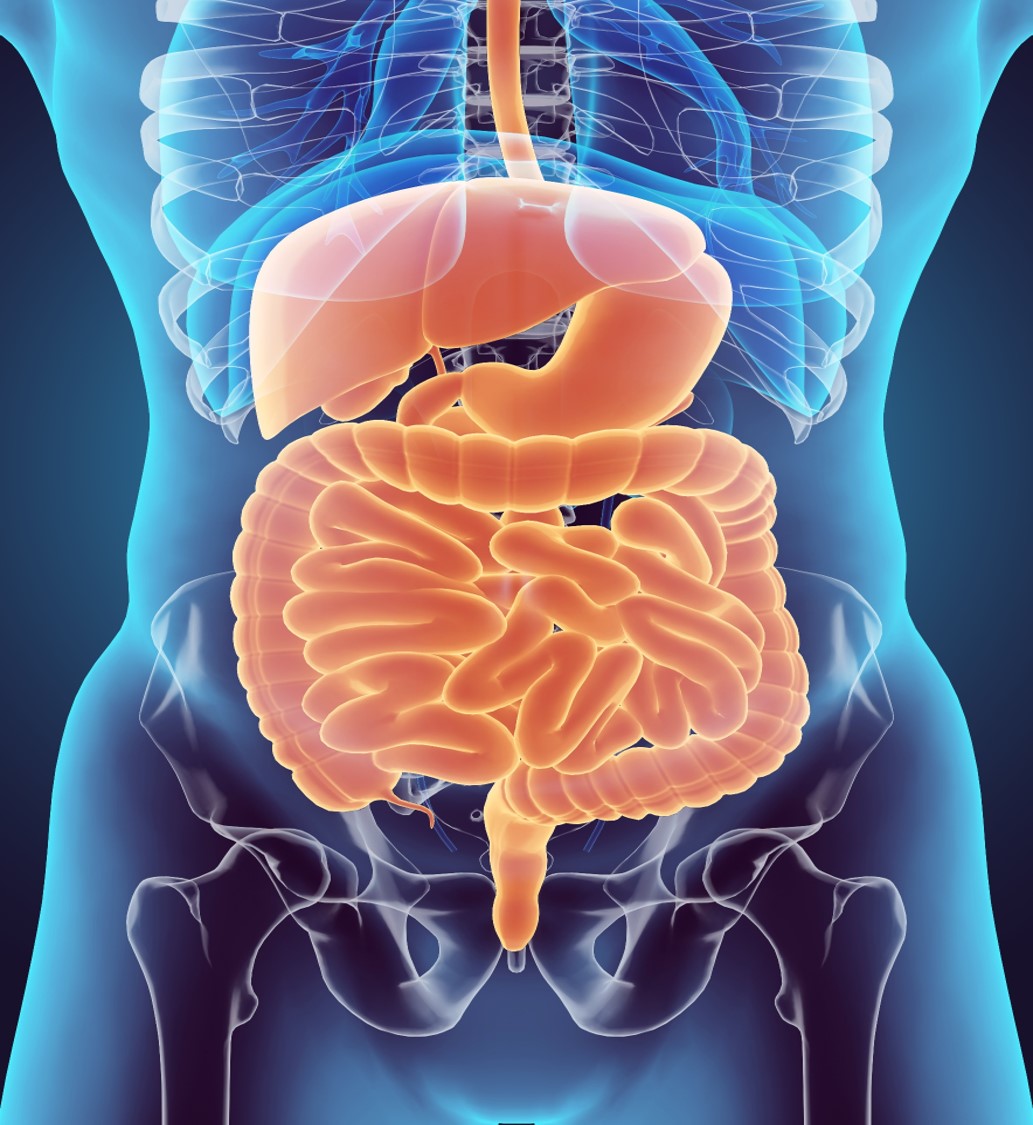
Parasite cleanses are everywhere right now. Scroll through social media and you’ll find endless stories of people convinced they’re “riddled with parasites” and that the answer is a quick cleanse or a round of herbs to wipe them out.
But here’s the truth: most of the time, it’s not just about the parasites. It’s about your gut.
If your digestive system is thriving—stomach acid strong, bile flowing, enzymes breaking down food efficiently, and your gut environment in balance—parasites and other unwanted microbes have a hard time taking hold in the first place.
That’s why quick-fix parasite cleanses can leave people chasing their tails. Even if you wipe something out, if the underlying gut environment hasn’t been restored, symptoms often come back. Real, lasting healing comes from strengthening the ecosystem of your gut, not just waging war on whatever you think is living there.
Why Parasites Might Become a Problem
Yes, parasites exist. Yes, sometimes they do cause problems. But if you’re constantly bloated, fatigued, and unwell, parasites are usually a symptom of a deeper issue—not the root cause.
Here’s what often makes you more vulnerable:
- Low stomach acid – your first line of defense against unwanted microbes.
- Sluggish bile flow or enzyme output – leading to poor digestion and unabsorbed food that feeds the “wrong” bugs.
- An imbalanced gut environment – when beneficial bacteria are depleted, other organisms can overgrow.
- A stressed or inflamed immune system – leaving the gut lining less able to protect you.
If these foundations aren’t working well, parasites (and other problematic microbes like candida or “bad” bacteria) can settle in.
Why Quick Fixes Fail
Herbal parasite cleanses and anti-microbial protocols may knock things back temporarily—but unless the gut environment is restored, the problem often returns. That’s why so many people get stuck in a cycle of repeated cleanses, restrictive diets, or “killing off” strategies that leave them exhausted and discouraged.
What’s missing? Repair and rebuild.
- If stomach acid is weak, restore it.
- If digestion is sluggish, support bile and enzymes.
- If the immune system is on edge, calm inflammation.
- If the gut microbiome is imbalanced, replant the terrain.
Without this, it’s like bailing water out of a leaky boat without fixing the hole.
GEMM: A Root-Cause Approach
This is where the G.E.M.M. (Gut Ecology & Metabolic Modulation) Protocol shines. Instead of focusing on killing off “bad guys,” GEMM works with your body’s natural systems of repair and regulation.
🔹 It harnesses the science of nutrigenomics—using food molecules to literally “talk” to your genes, encouraging repair and resilience.
🔹 It focuses on the gut-immune interface—restoring the balance where most chronic illness begins.
🔹 It promotes a diet of inclusion—repairing tolerance so you can eat a wider variety of foods, not narrowing your diet forever.
🔹 It views parasites, bacteria, and yeasts in context—as part of an ecosystem—rather than an “enemy” to wipe out.
In my clinic, I’ve found GEMM to be the missing link for clients who’ve tried everything: endless diets, antimicrobials, probiotics, supplements—and still relapse. By repairing cellular function and the gut ecosystem, the body becomes less hospitable to parasites in the first place.

The Bottom Line
If you suspect parasites, don’t panic—and don’t just reach for the next cleanse.
Instead, ask: why would they be thriving here?
Your gut environment holds the answer.
When you repair the foundations, you build resilience. Symptoms improve. Food intolerances often resolve. And you’re no longer living in fear of the next bug, cleanse, or relapse.
Your Optimal Blood Health Review can also detect whether parasites are likely.
✨ Curious about whether your gut health might be at the root of your symptoms?
Book an appointment and let’s explore a truly restorative approach—one that goes beyond the quick fixes and gets to the heart of the problem.

Is Unexplained Infertility Really a Mystery?
You’ve been trying for a baby for ages. Maybe you’ve even done all the tests, and there’s nothing wrong with either of you. So what now?
Perhaps you’re not quite ready for IVF, or at least not yet. Maybe you want to try all of the natural options before moving to more invasive support.
Lesser Known Causes Of Unexplained Infertility
Sometimes, despite having hormone blood tests, everything looks within normal ranges. Maybe symptoms through your cycle tell a different story. I rarely find standard hormone blood tests helpful. Other options like urine or saliva hormone testing can show a more broad picture. I can often detect hormonal imbalances by asking detailed questions about the menstrual cycle, fertile signs, premenstrual symptoms and what your period is like. These imbalances can then be treated with herbal and nutritional remedies. In short there can still be hormonal imbalance present, even if your blood tests say otherwise.
Gut health can potentially impact every other body system. This is where you absorb all of your nutrients and eliminate waste. Gut and liver health can have a huge impact on hormonal balance. It can also influence the health of the egg and sperm that will make your baby. Often it’s necessary to improve gut and liver health as part of enhancing fertility.
Oxidative stress is a lesser known root cause of infertility. This can impact egg and sperm quality, hormonal health, how well your body detoxifies, inflammation and immune factors.
Believe it or not, food sensitivities can be a cause or contributor to infertility. I’ve found sensitivities to dairy, gluten, fructose, soy, and other foods can be a part of the infertility picture. Undiagnosed coeliac disease can occasionally be uncovered during our investigations. This of course, also ties into gut health.
Heavy metal toxicity can not only affect fertility but general health. Heavy metals can affect hormone balance. Take a look here at how copper overload can play a role. This can be assessed with a screening tool like HTMA hair analysis.
The nervous system, adrenals and thyroid can also all impact fertility. If you experience high levels of stress or ongoing stress this can impact hormone balance. This may also lead to your body using up certain nutrients more than it should.
Some cases of unexplained infertility are purely caused by poor-quality eggs or sperm. This can be connected to gut health, food sensitivities and nutrient levels in the body. Egg turnover can be as long as 3 months, and sperm can take 100 days to form. Anything you do to enhance your health can impact the health of both the egg and sperm in as little as 1-2 months, but could be as long as 3-4 months.
At times your immune system can be part of the picture. Your immune can sometimes make it hard for the egg to become fertilized or implant and develop in the uterus. This can sometimes be related to high levels of certain antibodies in your body. This is a cause of secondary infertility and is triggered off during a first pregnancy.
Circulation can also affect fertility. When there is poor circulation to the pelvic organs and reproductive system, this can impair conception. Some women may have a diagnosis of pelvic congestion syndrome, which is a little like having varicose veins in the pelvic region. In addition to herbal and nutritional support, exercise, yoga and pilates will help.
There are many potential causes of unexplained infertility that can be investigated and treated. Book an appointment with Nicole today to get started!

How Your Period is A Health Barometer
When you’re experiencing PMS or period symptoms, it’s easy to think that it’s simply a hormone imbalance. Don’t get me wrong often hormones can be out of whack. As a woman, your menstrual cycle is an indicator of much more. Did you know that these days there are many things that can disrupt our hormones. Herbicides/pesticides, plastics, skincare and beauty products can all impact hormones. Other diet and lifestyle choices can too.
What your menstrual cycle is like on any given month can be a result of many things that have happened in your life in the previous few months. If you experience a period of stress, are not eating well, and are not getting enough fresh air or exercise, this can impact period time.
The contributors to period woes
Often, addressing gut and liver health is necessary for hormonal health. If there is gut inflammation, damage or dysfunction, this will need to be treated in order to achieve hormone balance. If the liver is not clearing toxins well or is sluggish, this can impact hormone breakdown and lead to an imbalance. When headaches and nausea occur around period-time this can be a sign of liver dysfunction.
Stress and depletion can also impact the menstrual cycle. Many women notice a worsening of mood and anxiety leading up to or during their period. If you’ve experienced regular stress throughout your cycle, this can also create more symptoms around period time and sometimes at ovulation. We can’t separate our overall health and our menstrual health. One effects the other!
What we eat can affect our cycles and hormonal health. This affects some women more than others, but your diet is the first thing to examine if you have period troubles. I’ve noticed this over the years, particularly when I’ve been following my Metabolic Balance plan more closely that I have minimal premenstrual symptoms and easy periods.
Nutrient deficiencies can also impact hormonal health. Many nutrients, if too low, will cause or make hormonal symptoms much worse.
Toxicity can also play a role. Copper overload, as well as heavy metal toxicity, can also be an underlying reason why hormones aren’t behaving. I use HTMA to assess this.
So, while your period and symptoms throughout your cycle can indicate a hormone imbalance of some kind, there are underlying factors that also need to be addressed.
Take action and get support with your menstrual cycle. Make an appointment with Nicole today!
Could Copper Toxicity be Impacting Your Health?
I’ve been using Hair Tissue Mineral Analysis (HTMA) tool a lot to support clients in the past couple of years. One common finding is copper excess. Copper is needed in low levels for health, however when in excess, can create issues.
Sources of copper can come from our diet, copper piping used in plumbing, copper cookware, swimming pool chemicals, the contraceptive pill, copper IUD and other environmental sources.
These are some of the symptoms or conditions associated with excess copper.
~Anger, frustration, tantrums, difficulty controlling emotions especially anger
~Anxiety and/or depression
~Headaches and migraines
~Ringing in the ears (tinnitus)
~Poor immune function
~Low thyroid function
~Chronic fatigue
~Joint pain
~Hair Loss
~Anaemia
~Many types of hormonal dysfunction due to copper’s relationship with estrogen: PMS, heavy flow, fibroids, endometriosis
~Hyperactivity and ADHD copper levels reduce GABA in the brain, making it very hard to concentrate and learn
~Appetite disturbance
~Eating disorders
~Scoliosis
~Candida overgrowth and fungal skin conditions, eczema
~Viral infections and chronic EBV (Epstein Barr) viral load
~Learning disability and speech impairments in children
~Allergies
~Cancer
Once a copper or other heavy metal overload is discovered, I often use the GEMM approach to then slowly and safely support the body to eliminate copper.

What Your Hair Reveals About Your health
It’s said that the eyes are the window to the soul, but did you know that your hair reveals many important factors about your health. Analysing your hair provides a detailed picture of your recent and longer term health, as well as imbalances in minerals and organ function.
How Does Hair Indicate Underlying Health Issues?
Hair Tissue Mineral Analysis (HTMA) is a safe, non invasive test that gives unique insight into nutrient and mineral levels in the body. It also screens for toxic elements in body tissues. It is a valuable tool for not only assessing current health, but also long term patterns. I find it to be be a crucial part in preventative health care. Mineral imbalances can often present in the hair long before any obvious symptoms have even appeared.
Although hair cells are dead, the root of the hair below the skins surface contains living cells which helps the hair to grow. As hair grows the minerals are present in the hair shaft. This then gives us a picture of the metabolic activity and how much exposure to toxic metals we have had in the previous months, as well as long term patterns.
Minerals are the corner stones of health. They are essential to all aspects of health, providing structural support in bones and teeth, regulating the body’s pH, water balance, nerve activity, muscle contractions, energy production and enzyme reactions. Your health is affected by any mineral deficiencies and imbalances, and any excess of toxic metals, any of which can aggravate any health condition essentially including cardiovascular health, thyroid and adrenal health, immune function and mental health.
As well as assessing mineral levels individually, hair analysis can also evaluate ratios between different minerals, as well as ratios of minerals to toxic metals.
Your hair sample can give a deeper insight into:
- Your body’s metabolic type
- Your body’s response to stress and which part of your nervous system is dominant
- Thyroid function
- How well your hormones function
- Adrenal function
- Blood sugar regulation
Why You Need to get Hair Tissue Mineral Analysis done
- Hair specimens can be collected more quickly and easily than blood, urine, stool samples etc.
- Hair analysis is cost-effective
- Unlike blood, hair is less susceptible to fluctuations that occur day to day
- Long-term changes of mineral retention or losses are more easily detected in hair than blood.
- Hair testing reveals key information about your body’s metabolic activity.
- Concentrations of most elements in the hair are significantly higher than found in the blood and other tissues.
- Hair provides a record of past as well as present trace element levels
- Hair provides information of substances entering the hair from the blood as well as from other sources.
- Hair is invaluable in the assessment of toxic metal levels.
- Hair testing measures mineral imbalances that can directly affect related vitamin activity.
Nicole is now offering more in depth Hair Analysis. If you’re an existing client you can get in touch for a kit and to organise payment. If you’re a new client you’d need to book in for a first visit to discuss your medical history and health goals, and we can organise your hair analysis at the same time.
Find out more about Hair Analysis.
Book an appointment with Nicole Today https://nicole-tricarico-naturopath.au1.cliniko.com/bookings

Navigating Birth Trauma with Nicole Tricarico
In July Nicole was featured on the Birthing From Within Blog. Read on to hear more about her work in birth, birth trauma and facilitating.
Oestrogen Imbalance-A Common Problem
More and more frequently I’m seeing clients with oestrogen imbalance. Our modern world doesn’t help this issue at all, when our bodies have to deal with xenoestrogens from pesticides/herbicides, skin care products and cosmetics and plastics.
I’ve found that blood tests for hormones often don’t give a good picture of what’s going on because it only shows what’s going on in the blood, not what happens in the tissues. The only time testing can be valuable is in those with a family history of oestrogen-related complaints or cancers, and in this case an oestrogen metabolites urine test can be really valuable. Saliva testing can be helpful. However I only use this tool when my usual approach isn’t getting results. Usually, a person’s symptoms tell the story of what’s going on hormone-wise better than testing.
Causes of oestrogen overload or imbalance can be:
- Gut dysbiosis or bowel disease
- Inadequate good fats in the diet
- A high exposure to xenoestrogens
- Genetics that impair oestrogen and toxin clearance
- High stress
- Low progesterone levels
- Poor detoxification
- Inflammation
- Liver dysfunction
- Overweight
- Poor diet- Lack of fruit and veg, too much processed foods, alcohol and caffeine.
So how would you know you have an issue with oestrogen clearance or overload? Common symptoms include;
- Bloating/Fluid retention
- Breast tenderness
- Low sex drive
- Worse PMS-especially irritability and low mood
- Heavy, clotty, painful or irregular periods
- Mood swings
- Headaches/Migraines around period time
- Weight gain especially in tummy, hips, thighs, bottom
- Anxiety
- Insomnia
- Fatigue
- Memory loss
- Cold hand and feet

It can also be related to the following conditions;
- Fibrocystic lumps in breasts
- Breast cancer
- Fibroids
- Ovarian Cysts
- Endometriosis
- Uterine cancer
- Underactive Thyroid
Oestrogen imbalance is such a common issues these days and causes many unpleasant symptoms, yet can be improved on by attending to gut and liver health as well as hormone balancing.
If you think this may be affecting your health, book in an appointment today.