We often hear about cholesterol like it’s the villain… but the truth is, cholesterol is essential for life
Here’s what your body uses cholesterol for:
✨ Hormone production
Cholesterol is the building block for oestrogen, progesterone, testosterone, cortisol and vitamin D.
If cholesterol gets too low, hormone balance can become disrupted — leading to fatigue, mood changes, low libido, irregular cycles, anxiety and more.
✨ Healthy brain + nervous system
About 25% of your cholesterol is in your brain.
It’s crucial for memory, learning, mood stability and overall cognitive function.
✨ Cell repair + structure
Every cell membrane in your body uses cholesterol for strength and flexibility.
Without enough, cells can’t repair properly.
✨ Digestive function
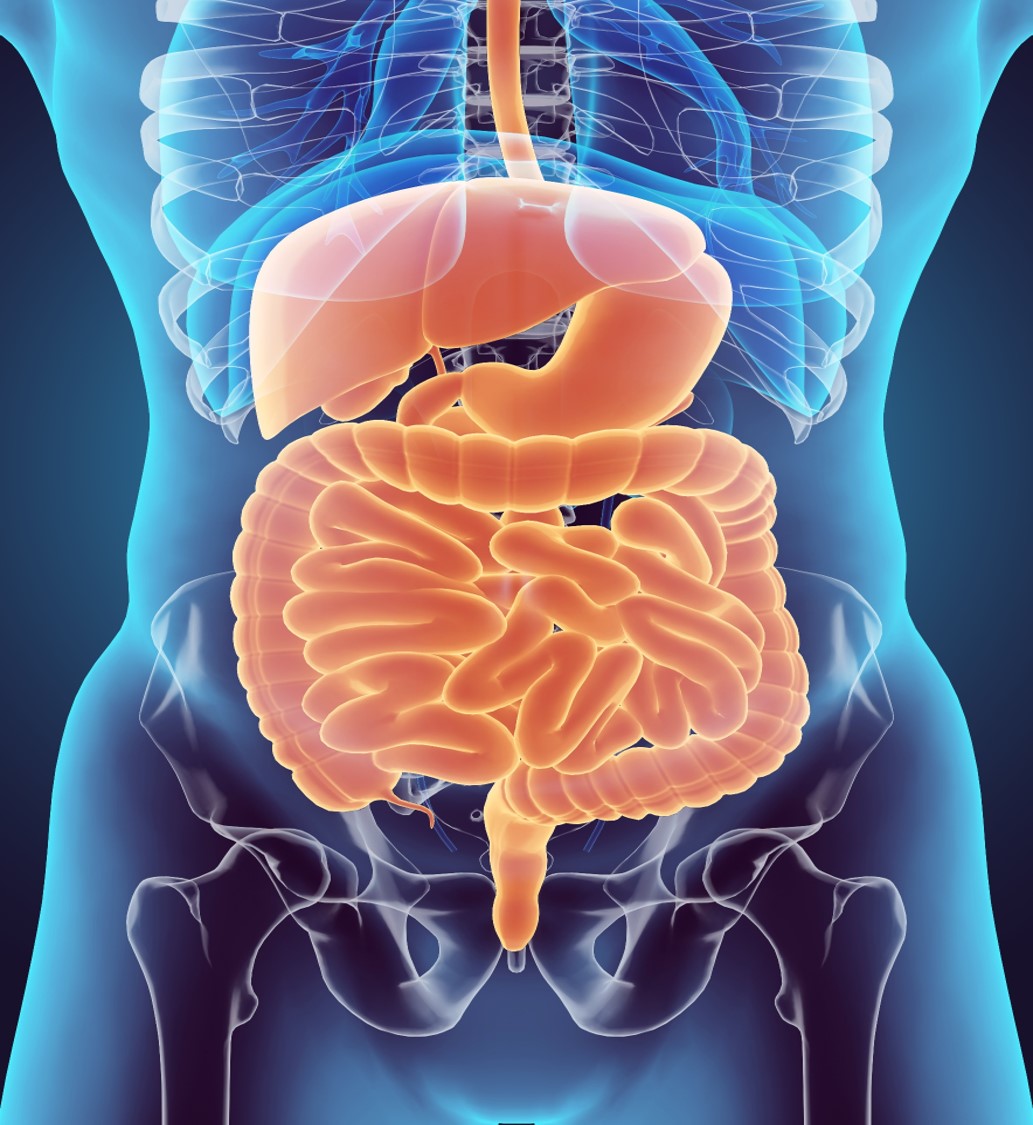
Your liver uses cholesterol to make bile acids — essential for digesting fats and absorbing fat-soluble vitamins A, D, E and K.
✨ Immune support
Cholesterol plays a role in how your body responds to inflammation and infection. Some studies show very low cholesterol is linked with poorer immune health.
🔸 So what happens when cholesterol is driven too low?
Aggressively lowering cholesterol (whether through medication or overly restrictive diets) can sometimes lead to:
• hormone imbalances
• fatigue and weakness
• poor stress tolerance
• mood changes or anxiety
• brain fog or memory issues
• low vitamin D
• reduced absorption of essential nutrients
Your body thrives in balance — not extremes.
🔸 What about high cholesterol?
There are times when cholesterol runs too high due to inflammation, poor liver function, metabolic issues, genetics or nutrient deficiencies.
The good news?
There are natural, evidence-based ways to support healthy cholesterol levels without pushing them dangerously low, such as:
• berberine
• red yeast rice (when appropriate and monitored)
• plant sterols
• bergamot extract
• omega-3 fatty acids
• soluble fibre (psyllium husk, oats, legumes, ground flax)
• supporting liver detoxification pathways
• balancing blood sugar + insulin
• anti-inflammatory herbs and diet
These can be incredibly effective when tailored to what’s actually causing the elevated cholesterol.
🔸 Your cholesterol levels tell a story
Instead of aiming for “as low as possible,” it’s far more helpful to understand:
• Why are they high?
• Is there inflammation?
• Is it blood sugar related?
• Is your liver stressed?
• Are you deficient in key nutrients?
• What is your HDL, LDL and triglyceride pattern?
• Is it actually harmful, or a protective response?
Your body doesn’t make mistakes — it makes adaptations.
If you’re confused about your cholesterol results or want a natural approach to optimising them safely, my Optimal Blood Health Review is a great place to start.